Telling Stories, Reimagining Aging
Catherine Marienau and Gail Zelitzky on the inspiration behind Women Over 70 and the “Six Cs” that define vital aging.

Posts from LPP authors.

Catherine Marienau and Gail Zelitzky on the inspiration behind Women Over 70 and the “Six Cs” that define vital aging.

Author Marsha Myrie Obi reflects on writing The Fourth Research Tradition, exploring two-hand reading, vulnerability in research, and decolonizing the Commonwealth Caribbean academy.

Black Madness Theory (BMT) speculates that Black Madness is a neurodiverse psychic state that acts as a catalyst for technological intervention through creative dissidence leading to the disruption of biological, psychological, and social status quos of neurotypical hegemony.

Patriot Front’s Fourth of July march featured a uniform of khakis and polos– ordinary preppy style repurposed for far-right politics. Kealy-Morris traces how that look got tangled up with race, class and belonging in American suburbia.

Eleni Chasioti reflects on growing up shaped by her great-grandparents’ forced displacement, and how clothing and textiles carry the memory of migration across generations.

A transgender man’s autoethnographic account of surviving England’s prison system as a birth-registered woman, blending academic research with poetry and storytelling to fill a gap literature has ignored.

COVID-19 didn’t affect everyone equally. This book explores the pandemic’s toll on vulnerable and marginalized populations — from access to treatment to housing and incarceration — through real-life narratives and lessons for social justice.
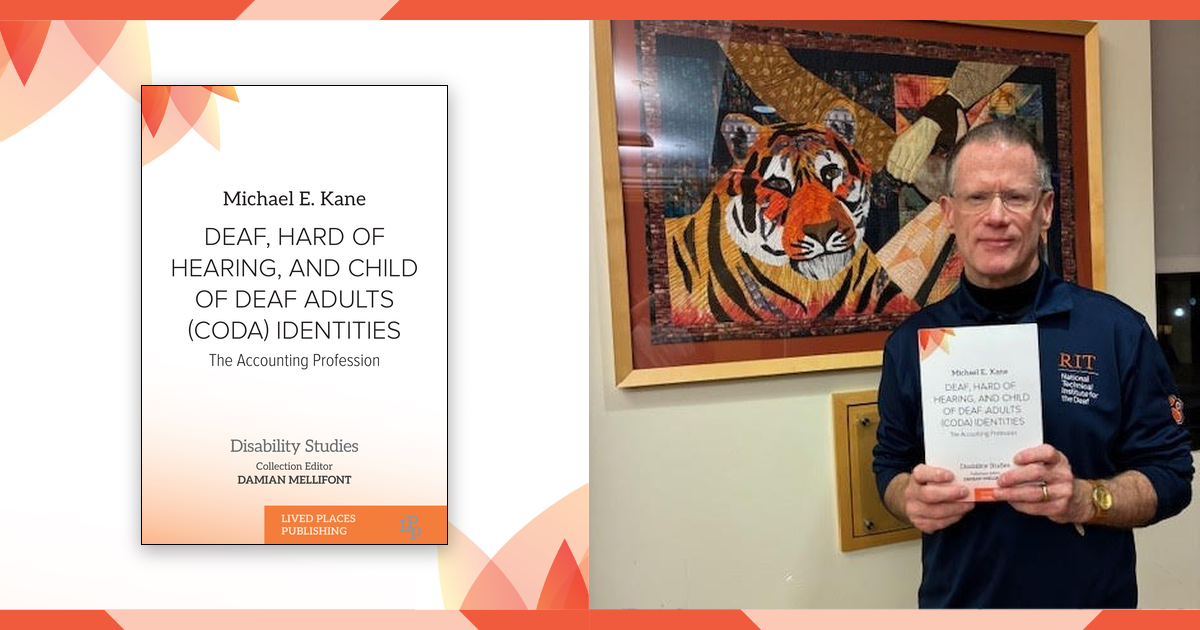
Author Michael Kane reflects on his deaf identity, his years at RIT/NTID, the Deaf President Now protest, and the 18 interviews behind his new book celebrating deaf, hard of hearing, and CODA accounting professionals.

“Mommy, what is tenure?” is one of my first memories growing up because my father was often anxious and absent since he was on the track to a full professorship in the 1980s.

The imprisonment of Ruth López should alarm everyone who believes in human rights and the rule of law. Ruth’s pretrial detention order is set to expire in June. Activism now is urgently needed to demand her unconditional release and prevent another extension.