“Mommy, what is tenure?”: Growing Up in a Faculty Household
“Mommy, what is tenure?” is one of my first memories growing up because my father was often anxious and absent since he was on the track to a full professorship in the 1980s.

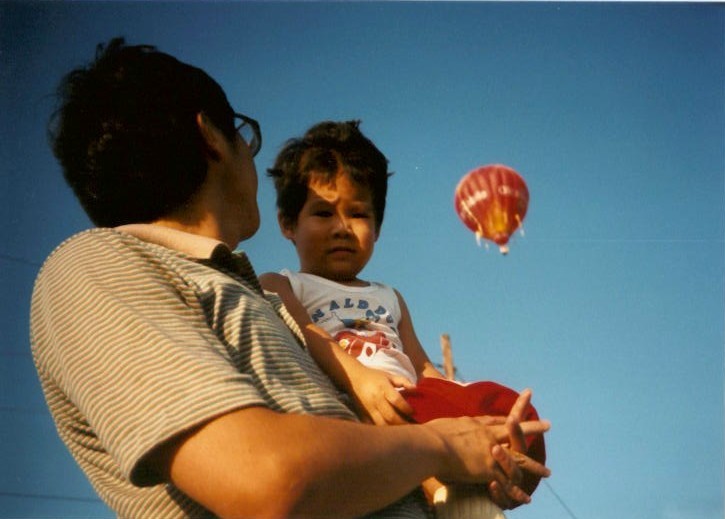
“Mommy, what is tenure?” is one of my first memories growing up because my father was often anxious and absent since he was on the track to a full professorship in the 1980s.
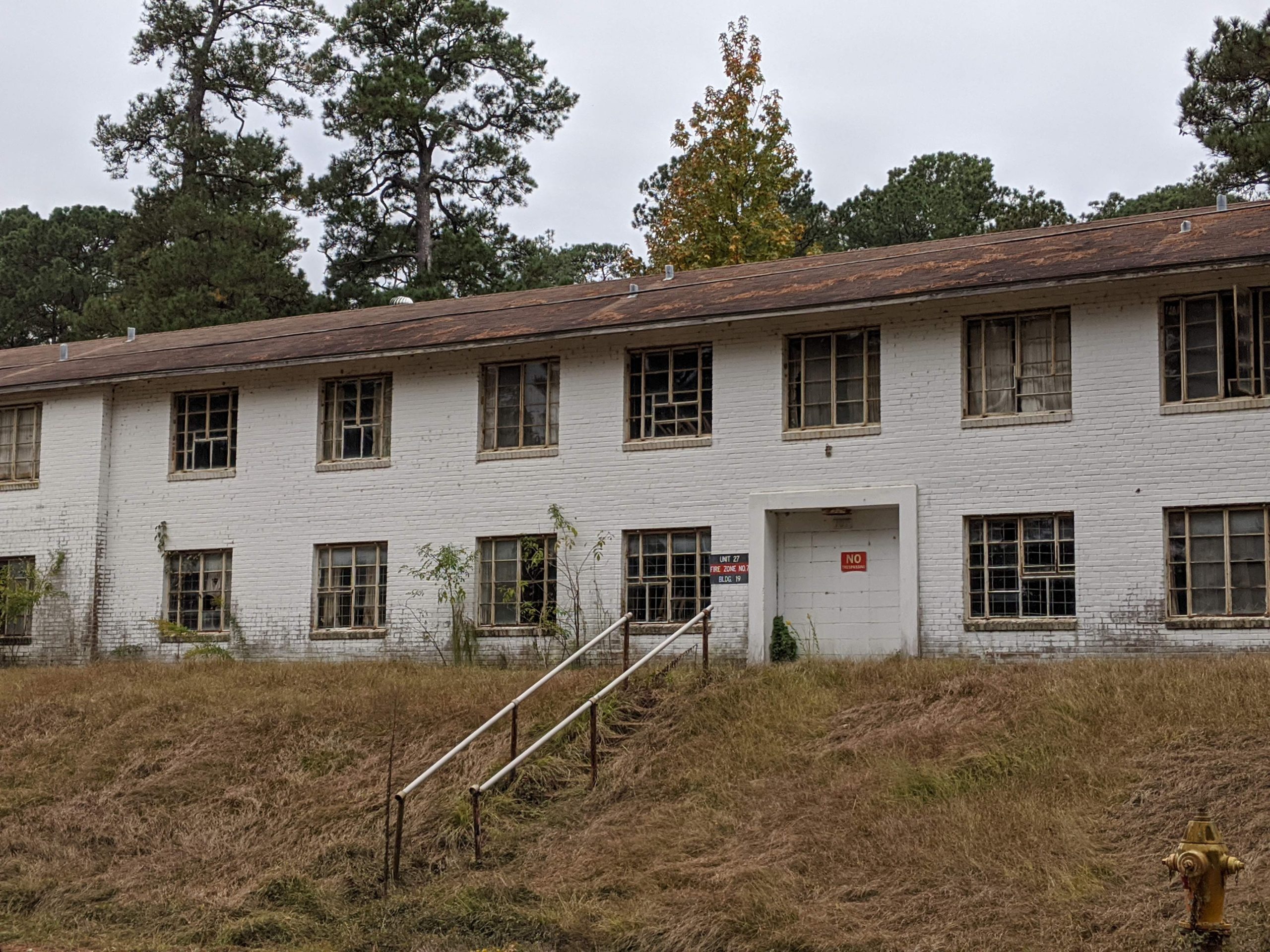
Individuals with severe mental illness (SMI) have been barred from “polite” society throughout history. Many will eventually find their way to prison, behind a different set of bars, where there is little incentive to treat. Have we simply traded one form of confinement for another, even more cruel one?
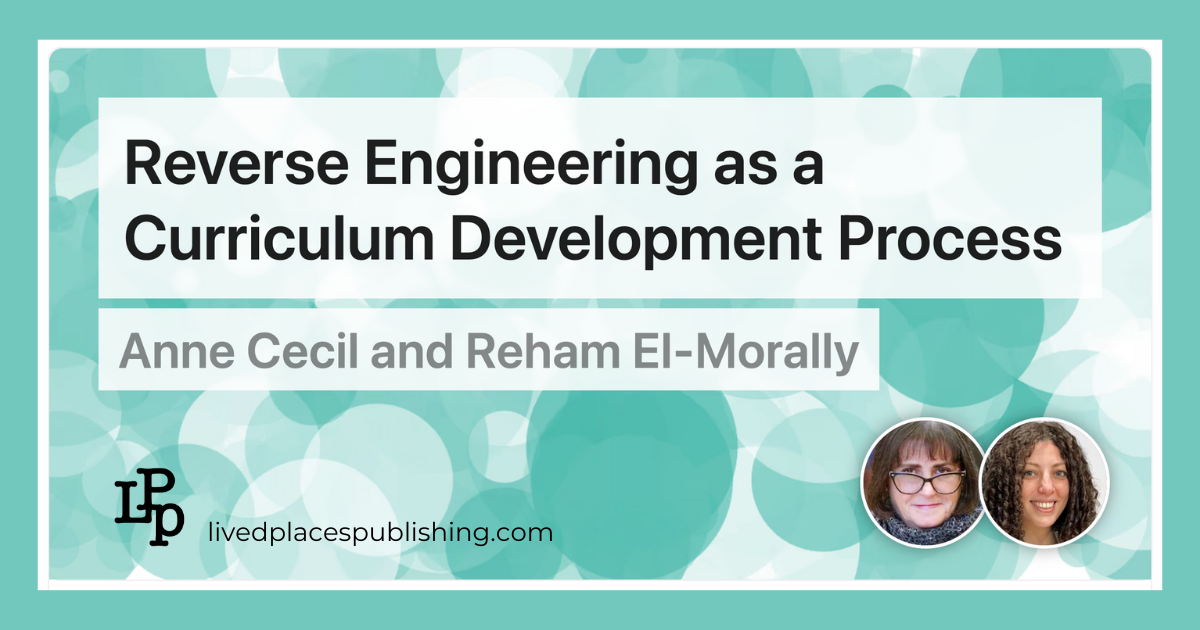
FREE SEMINAR AUG 7, 2025: In this conversation between Anne Cecil and Dr. Reham El-Morally, they discuss the practice-based pedagogy of starting with current trends and deconstructing their influences – not only to build connections between the past and present but also to encourage students to reflect on how historical cycles, subcultures, and innovations influence contemporary identities and cultural narratives.
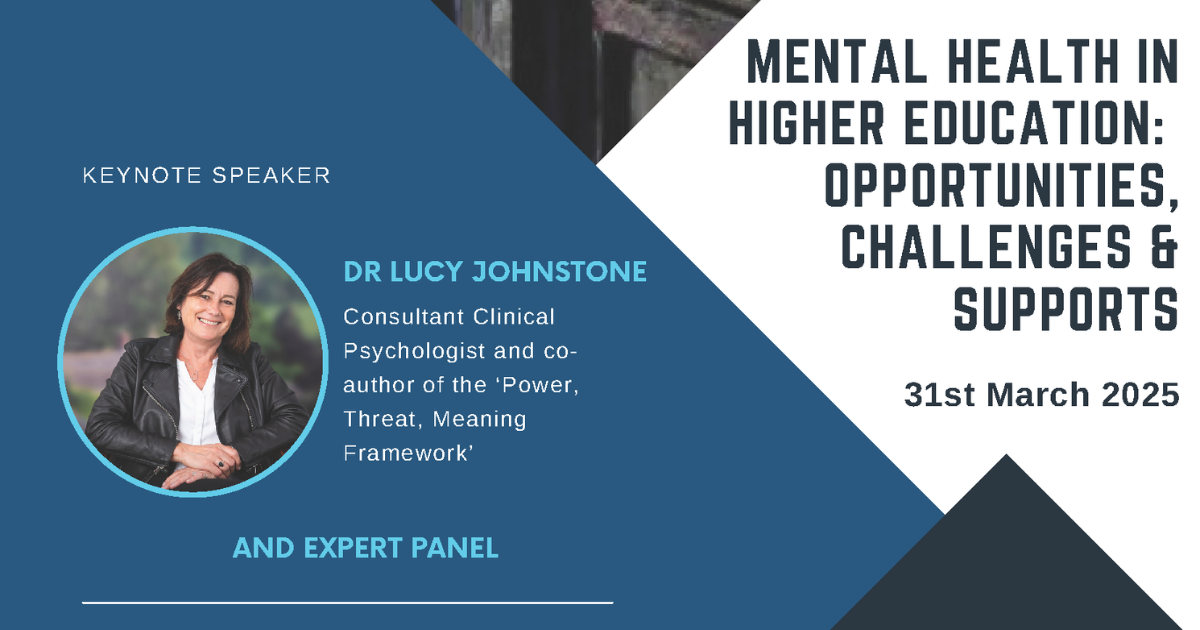
LPP author Emma Farrell has arranged a seminar on the subject of supporting higher education students with mental health difficulties which is bringing together leading scholars, student support experts, policy makers, and government officials from Ireland and abroad.
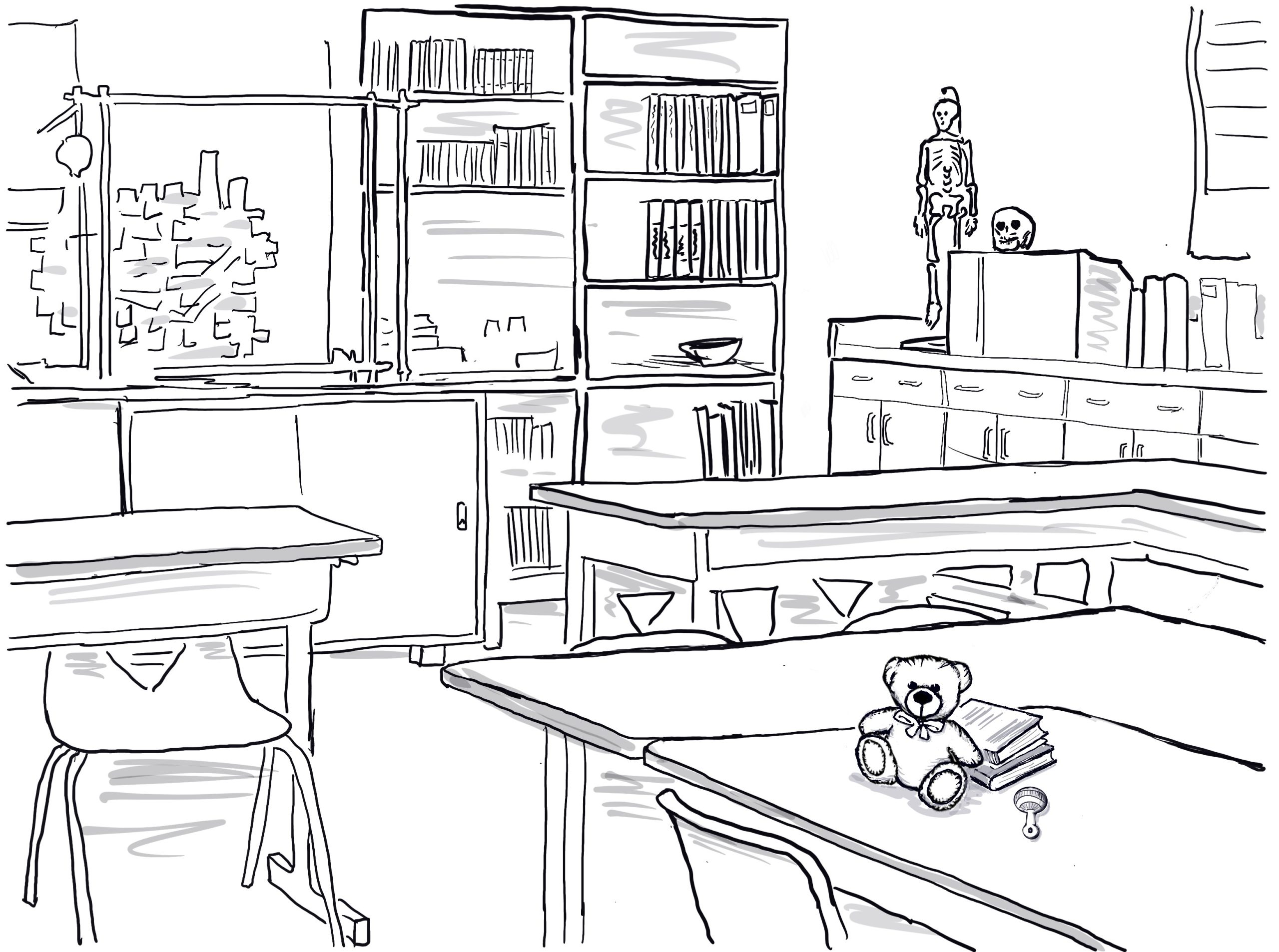
Pregnant and parenting teen moms, along with their children, face difficult and uncertain futures without appropriate support in terms of economic investment in healthcare or educational support. Janice Airhart offers a perspective on how to deliver these supports, in light of her personal and professional lived experience as a former high school teacher of teen moms.
FREE SEMINAR MAY 15, 2025: In this conversation between Dr. Kaelie Giffel and Dr. Reham El-Morally, they discuss how the university fails to serve the majority of people that move through it and what can be done about these failures. Themes discussed will include oppression and knowledge production in the university, divisions of labor between faculty, staff, and students, what aspects of the university are worth keeping, and tactics for transforming the university, from within and without.
In this conversation between Stephanie Levin and Dr. Janise Hurtig, they discuss ableism as a systemic issue that continues to plague American postsecondary education – and how educators can help break the cycle of ableism and further promote inclusiveness within their institutions.
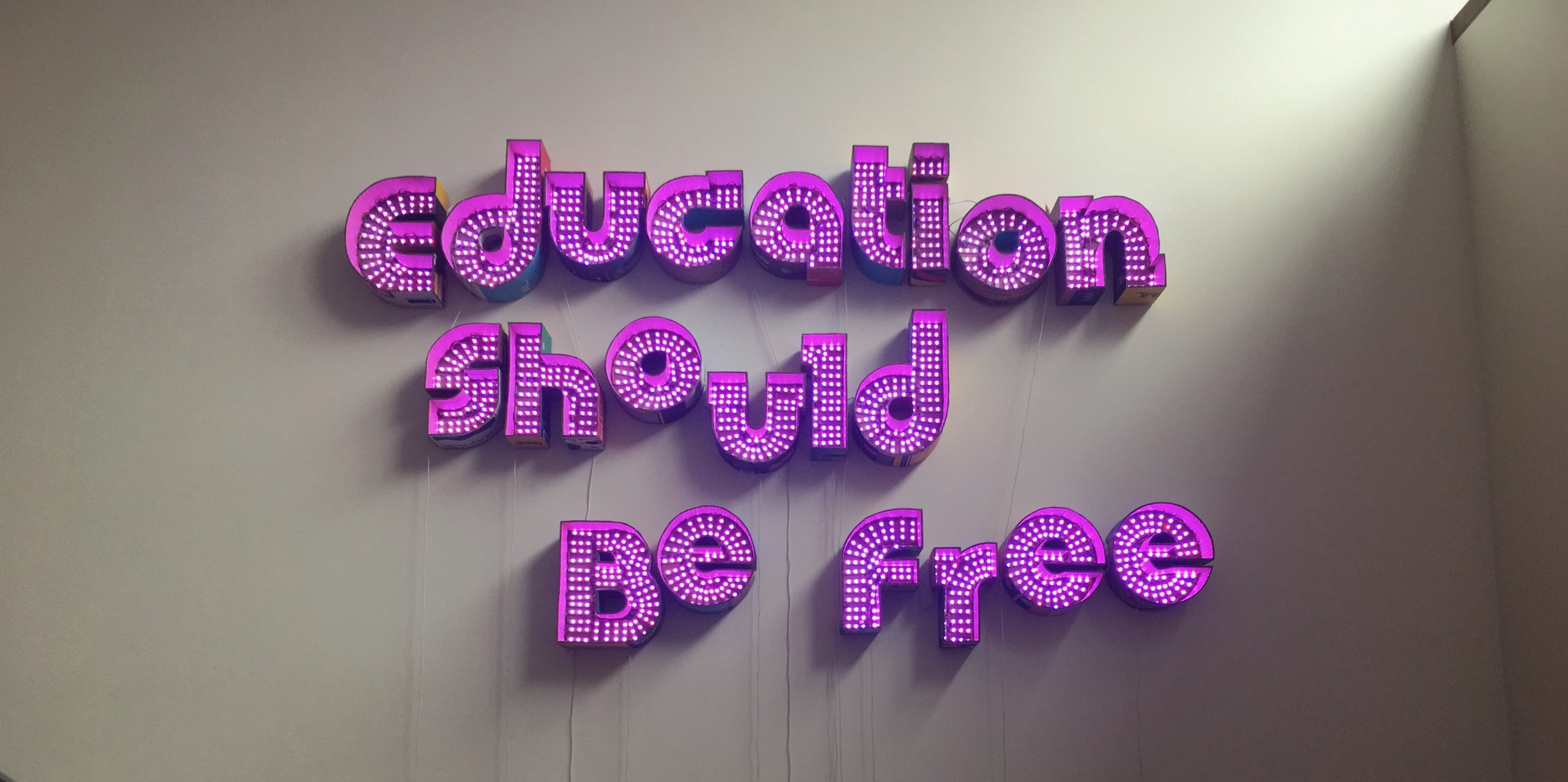
Are we willing to fight for educational spaces that protect women and marginalized people? Organizing for a better university requires all of us. Author Kaelie Giffel offers strategies to move beyond the narrow roles prescribed to us by culture to reimagine educational spaces that work for all participants.

Gestalt language processors (GLP) perceive and process language in a non-linear, holistic manner. Dr. Jaime Hoerricks sheds light on the often-overlooked struggles of GLPs within the traditional education system, offering innovative and practical strategies for educators and parents as well.

Family advocacy varies widely in relation to a family’s social identity and, as educators, we need to walk into the world of family advocacy directly and deliberately. Certain types of “unproductive” advocacy can pull resources and attention away from other forms of meaningful family advocacy.