Author Post

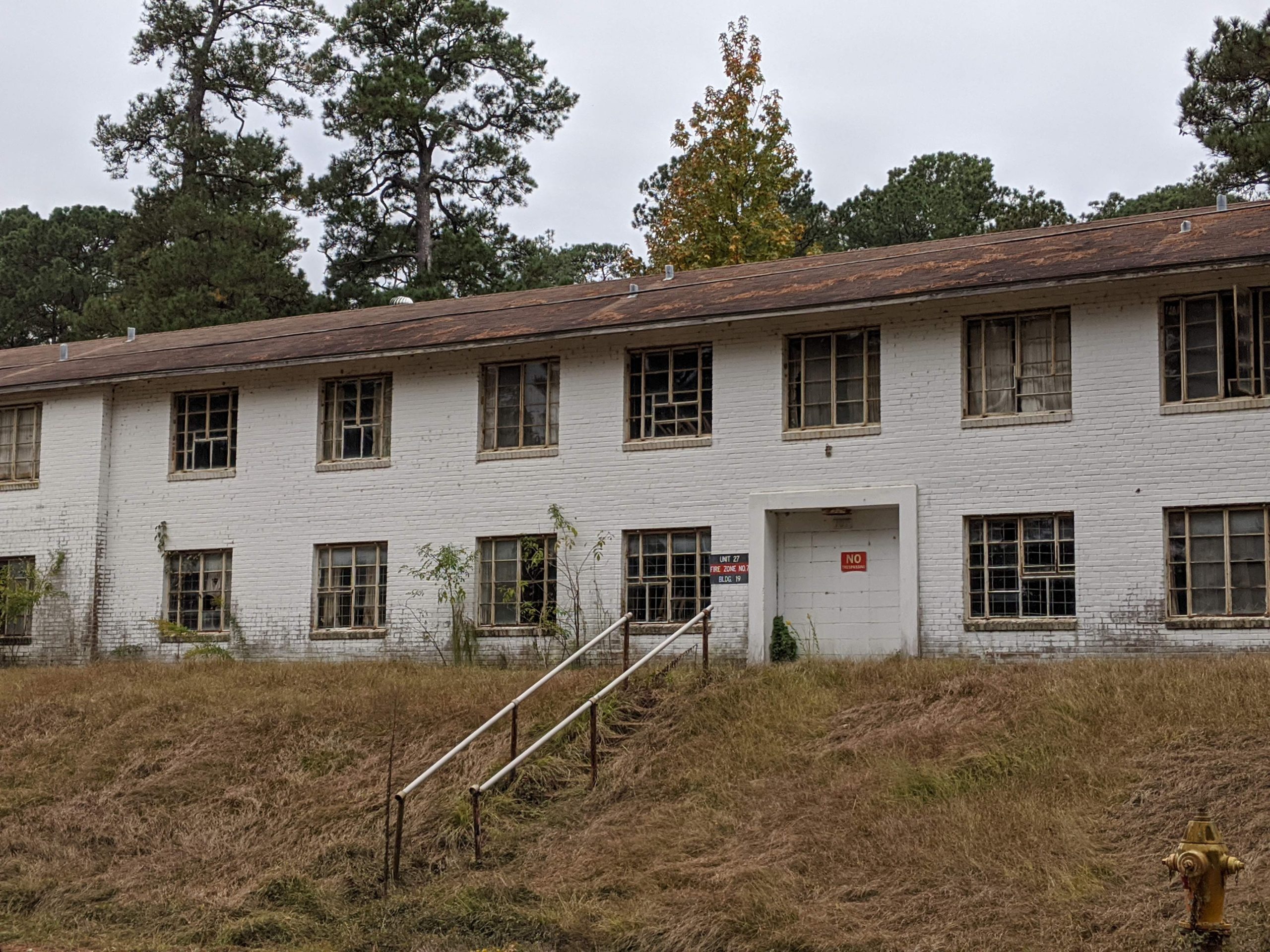
A two-story white brick building in disrepair with broken windows and surrounded by overgrown brush and grass. A flight of cement steps and a metal railing lead to the front door.

Trading Bars: Prisons as De Facto Mental Institutions

Individuals with severe mental illness (SMI) have been barred from “polite” society throughout history. Many will eventually find their way to prison, behind a different set of bars, where there is little incentive to treat. Have we simply traded one form of confinement for another, even more cruel one?

Collage of three images: 1) black & white image of Marinus van der Lubbe in court (September, 1933); 2) Commemorative plaque at the Memorial to the Victims of Euthanasia Murders in Brandenburg an der Havel; 3) Video still image of Robert F. Kennedy Jr. with header caption, "RFK Jr.: Autism 'destroys' children."

Autism and the Modern Eugenics Movement

Autism and neurodivergent rights seem to be making an impact on our daily lives, with more emphasis on inclusion and recognition of differences. On the ground, things look very different. Autistic author Jorik Mol shares his assessment of current issues for neurodivergent communities in the Anglosphere, placing autistic rights in the context of renewed enthusiasm for eugenics in the 21st century.

Activist Dolores Huerta is in the foreground at left, wearing a shirt that reads "RESIST RESIST RESIST," at a demonstration for migrant rights photographed with other activists, one of whom is holding a placard that reads, "HERE TO STAY."

Dolores Huerta and Women’s Leadership in the Movement for Human Rights

It is difficult to be optimistic when extremism has gained a stranglehold on the U.S. government while the mainstream media persists in normalizing the political insanity we are witnessing. But Dolores Huerta’s words and actions are an uplifting exhortation to keep on pushing ahead in the movement for universal human rights.

5 women dressed in stylish activewear. IMAGE CREDIT: Chamiah Dewey, designer and founder of Dewey Clothing, London. The photo was from this collaboration with Selfridge. Used with permission. 

Adaptive Clothing: Addressing Inequity in Fashion for People with Disabilities

Although adaptivewear is a formally recognized category of clothing, it is not given much attention in fashion education programs. Adaptive clothing is often presented as a separate category and is not integrated into mainstream fashion assignments and educational collections. This can lead to a sense of separation that limits the visibility of adaptive clothing as a design and production opportunity for students.

Black and white photo loooking up at a residential building. Source: Martin Kopta, Wikimedia Commons, Creative Commons Attribution 3.0.

What the United States Can Learn from Postwar Czechoslovakia

by Miriam Potocky Rafaidus | Today, as I watch troubling developments unfold in the United States, I can’t help but feel history knocking—not softly, but insistently. The parallels between the collapse of Czechoslovak democracy in 1948 and the democratic backsliding occurring in the U.S. under the Trump administration in 2025 are unnerving.

Scroll to Top