
Education

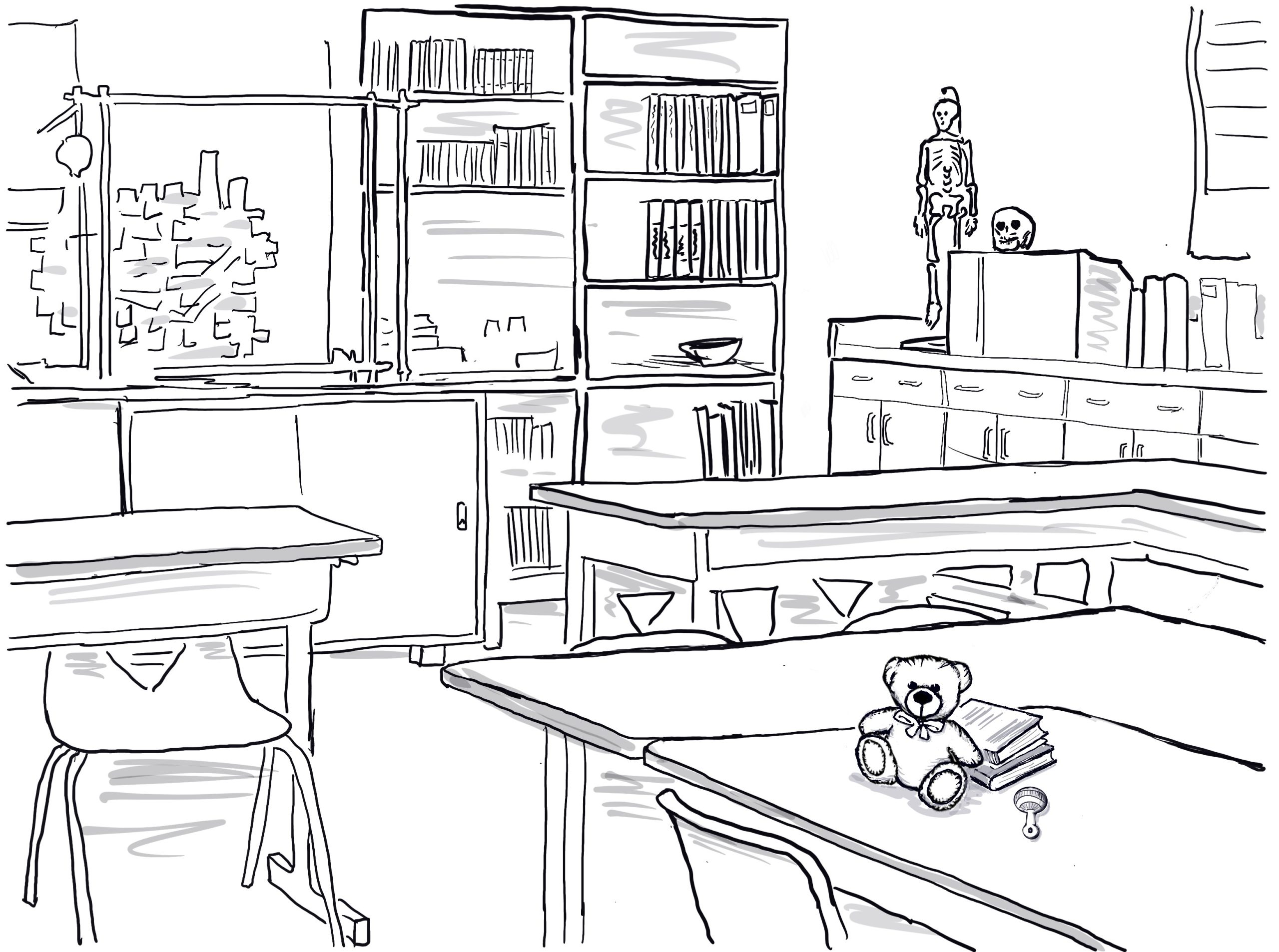
A two-story white brick building in disrepair with broken windows and surrounded by overgrown brush and grass. A flight of cement steps and a metal railing lead to the front door.

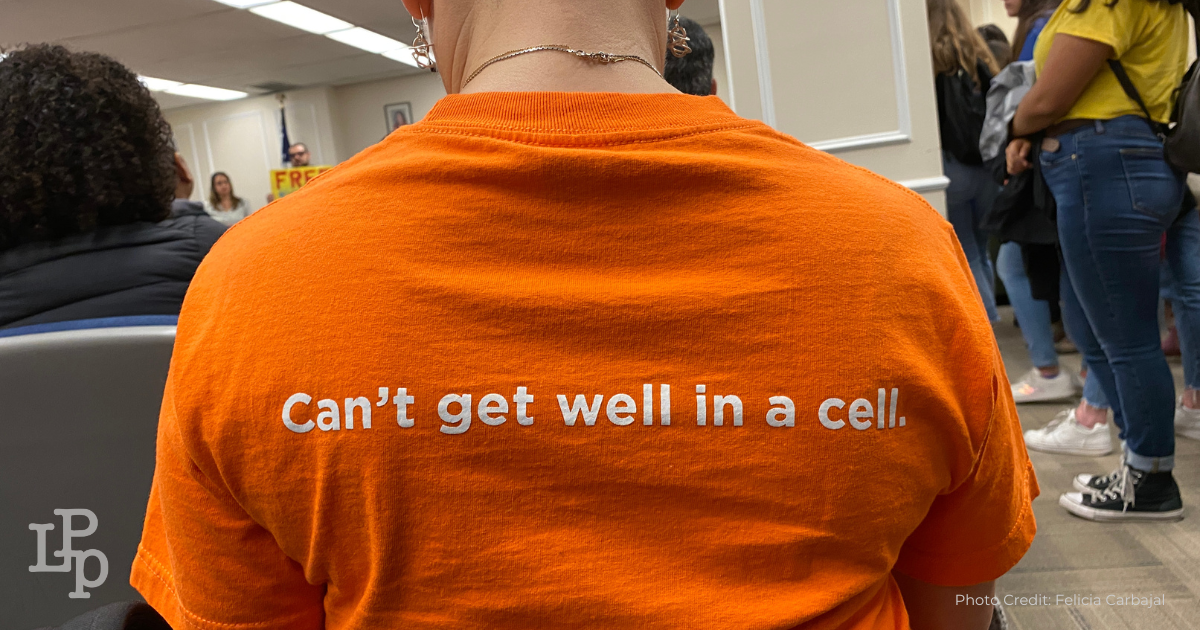
Trading Bars: Prisons as De Facto Mental Institutions

Individuals with severe mental illness (SMI) have been barred from “polite” society throughout history. Many will eventually find their way to prison, behind a different set of bars, where there is little incentive to treat. Have we simply traded one form of confinement for another, even more cruel one?
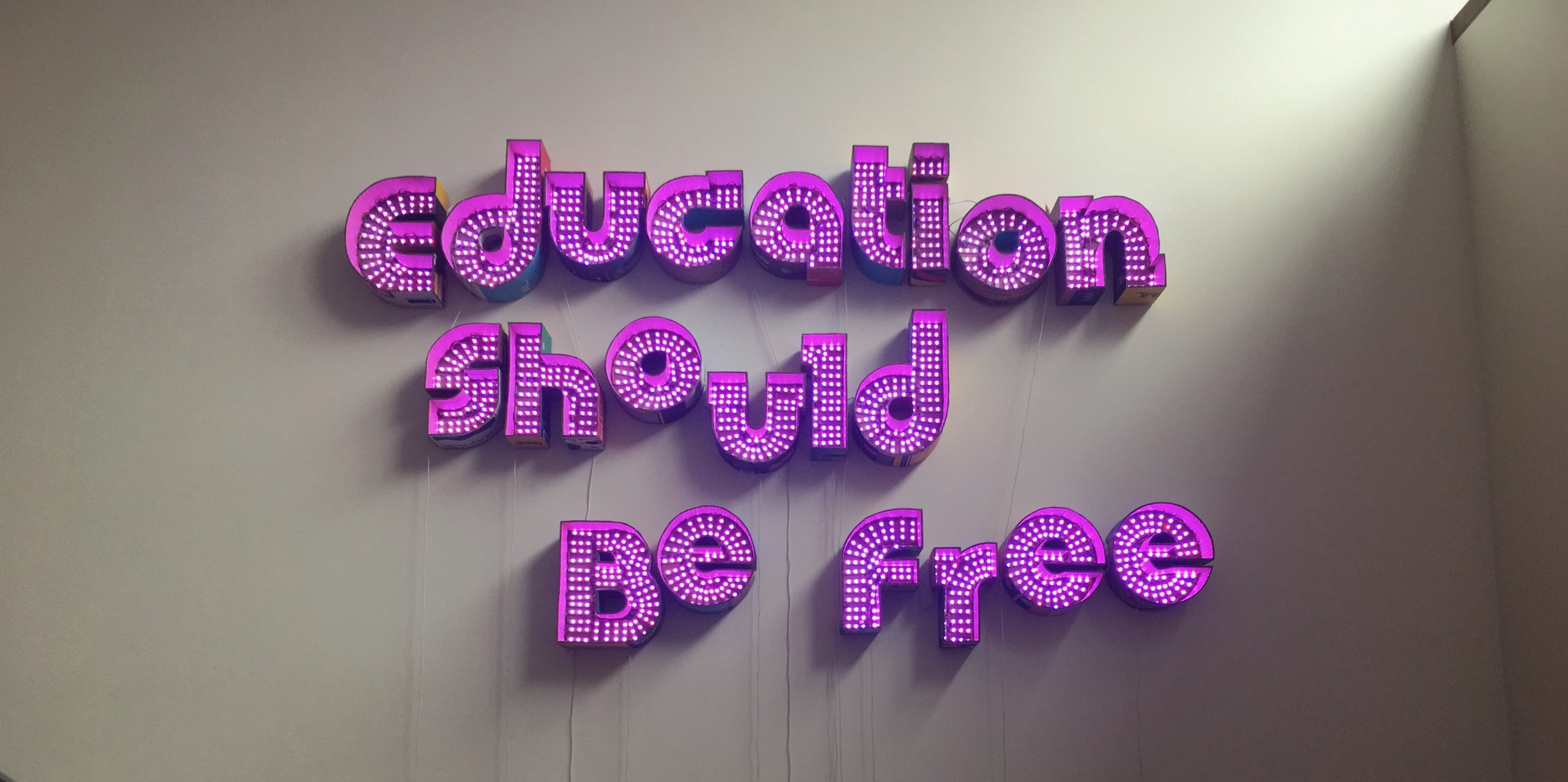
Purple neon letters on a wall that spell out "Education Should Be Free."

A University for the Many, Not the Few

Are we willing to fight for educational spaces that protect women and marginalized people? Organizing for a better university requires all of us. Author Kaelie Giffel offers strategies to move beyond the narrow roles prescribed to us by culture to reimagine educational spaces that work for all participants.  

Two young kids playing; walking along a short stone wall.

Family Advocacy: Zero-Sum Parenting and Educational Equity

Family advocacy varies widely in relation to a family’s social identity and, as educators, we need to walk into the world of family advocacy directly and deliberately. Certain types of “unproductive” advocacy can pull resources and attention away from other forms of meaningful family advocacy.

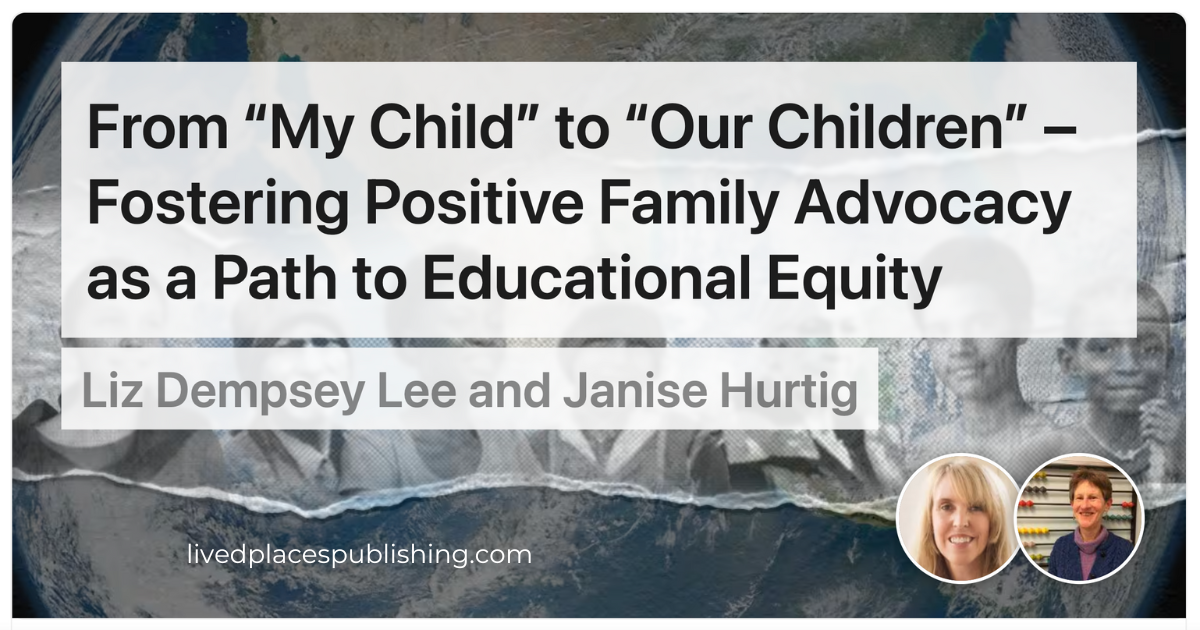
From “My Child” to “Our Children” – Fostering Positive Family Advocacy as a Path to Educational Equity

A conversation between Liz Dempsey Lee, author of Parents as Advocates: Supporting K-12 Students and their Families Across Identities and Janise Hurtig, Lived Places Publishing Collection Editor. Liz and Janise discuss how recognizing and addressing family advocacy is critical to creating educational equity. They also explore how conflict is a normal and expected byproduct of the family-school relationship and how demystifying and educating families around effective advocacy can build relationships and move educational communities from a focus on “my child” to a focus on “our children.”

Scroll to Top