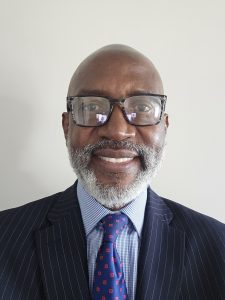
By Samson Chama
When the COVID-19 pandemic began to unfold in the U.S. the final official tally of deaths due to the pandemic was 350,831 2020 (CDC, 2020). However, the Centers for Disease Control and Prevention and (CDC) and the National Center for Health Statistics (NCHS) posted an even higher number that was closer to 385,000 deaths (CDC, 2020). This meant that the overall impact of the COVID-19 pandemic could not be underestimated as it literary altered social, cultural, political, environmental, and economic spheres of the U.S. population. These areas are crucial for survival as they affect psychological growth and sustainability, including people’s living standards and quality of life. As the pandemic spread like a wildfire, its impacts on different population groups particularly African Americans at different levels was greater than any other population group. In addition, COVID-19 had a devastating impact on the global level albeit its effects, including its ramifications, were much more serious at the local level where marginalized population groups bore the brunt of this scourge.
The pandemic forced many fragile and marginalized individuals to experience a conversion of life from one that was normal to one that was idiomatic. Never were so many people disrupted and pushed out of their normal functionality. Today, even after almost five years of post-COVID-19 functionality, most individuals and communities are still grappling with an array of public health challenges. These challenges and barriers are detrimental to their overall health and functionality. Fortunately, today solid data and information on different ways in which the pandemic affected individuals, groups, families, and communities is available. Based on this available data, it is imperative to comprehensively attend to the overall wellbeing of those who are affected to enhance their overall well-being. Despite the wealth of literature on COVID-19, there is a dearth of information that focuses on how COVID-19 has impacted vulnerable individuals. Therefore, this book is an attempt to explore this gap. As outlined in the United Nations’ (2019) Development Goal (SDG), everyone must have access to an inclusive, equitable quality health care because this is a prerequisite for upward socioeconomic mobility and is also a key factor to escaping poverty.
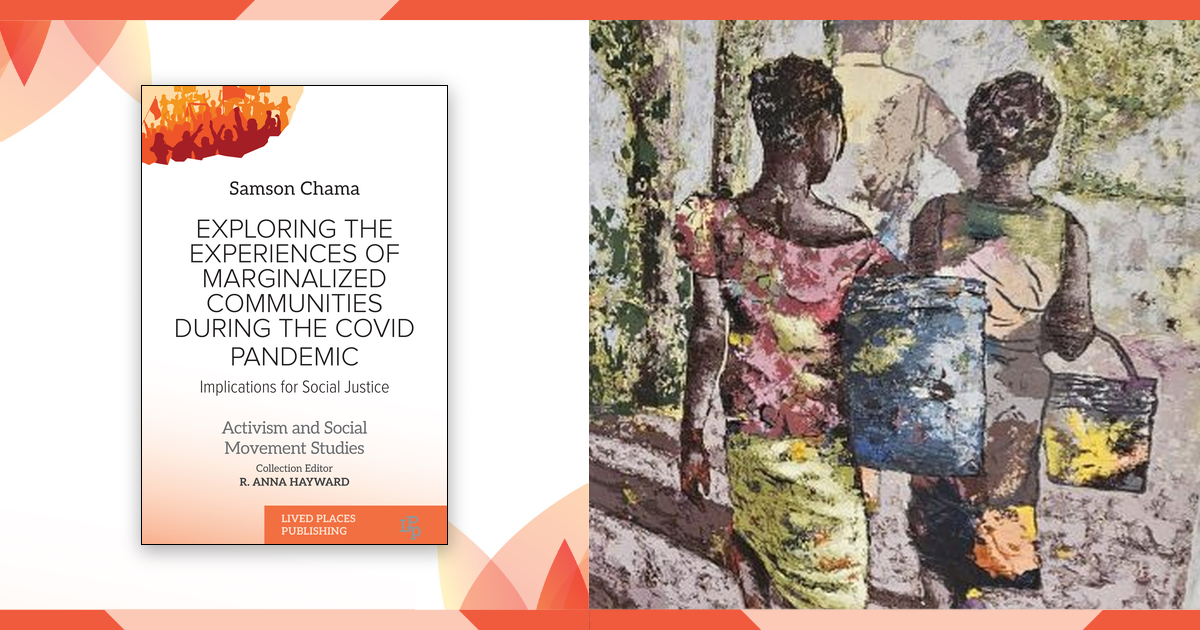
As discussed previously, it is worth noting that COVID-19 had a devastating effect on opportunity and accessibility to public health. Unless seriously addressed, this barrier and challenge may have very harmful consequences for future generations. This has led to more significant gaps between those who have enough public health support with access to the public health technologies and those who have not. The more vulnerable, marginalized families and communities are the most affected. It is in the light of this that this book explores a wide array of subjects which address the intersection between COVID-19, public health and impact on reality or real-life experiences of families. The book elucidates and highlights implications for optimal public health service delivery to the most affected individuals. Using case studies from several individual real-experiences, the text uses a story or narrative approach to delve into and highlight current pressing issues that pertain to impacts of COVID-19 on individual well-being. The text uses a theoretical to drive the narratives. The main theme focuses on lived experiences in the context of various subject areas. Among themes explored are the impacts of COVID-19; access to treatment; vulnerability and health disparities, and survival strategies. The text also offers lessons and implications for practice and social justice. The book also discusses how different population groups’ lives were impacted and shaped by the COVID-19 pandemic. It provides an overview of specific areas of the impact of COVID-19 on health which include social justice, racism and discrimination, poverty, homelessness, jail and prison system, underlying health conditions, and policy implications for practice and social justice. These areas are highlighted in different chapters.
Finally, as we live in these times of uncertainty, we can perhaps imagine another similar pandemic emerging on the horizon. As the text highlights, what is needed now more than ever is to mount the kind of preparedness and readiness that would buffer the effects of any future pandemic as well as provide better protection and access to treatment for the marginalized. This will be done at both practice and policy level.
IMAGE CREDIT: Samson Chama
More about Samson Chama’s book published by LPP:
How did the COVID-19 pandemic affect the most vulnerable communities, and what are the lasting implications for social justice?

We want our books to be available to as many people as possible. If you’d like to purchase an individual copy, please email us and we’ll give you a discount code: