From Institutional Archives to Family Closets: The Journey Behind The Archaeology of Fashion
Fashion historian Nicole K. Rivas on how years of archival research into secondhand garments became a book about memory, family, and inheritance.

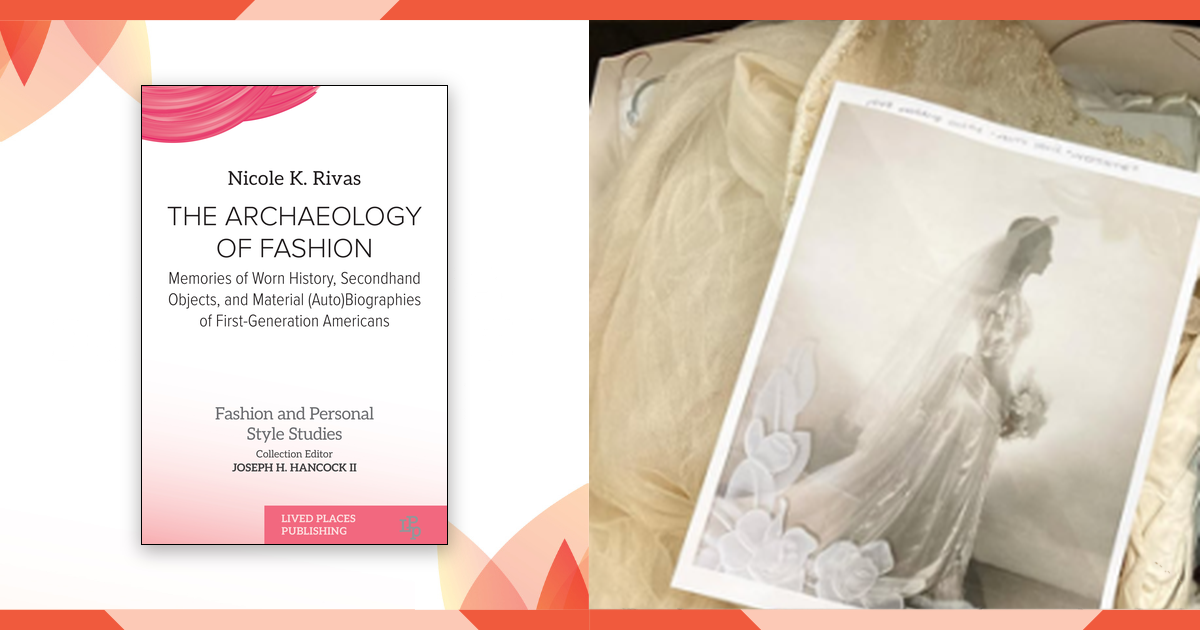
Fashion historian Nicole K. Rivas on how years of archival research into secondhand garments became a book about memory, family, and inheritance.
After two years in solitary confinement, Ashleigh Chapman reflects on the real barriers to returning to education, and why prison and community education in Victoria need to be brought in line.
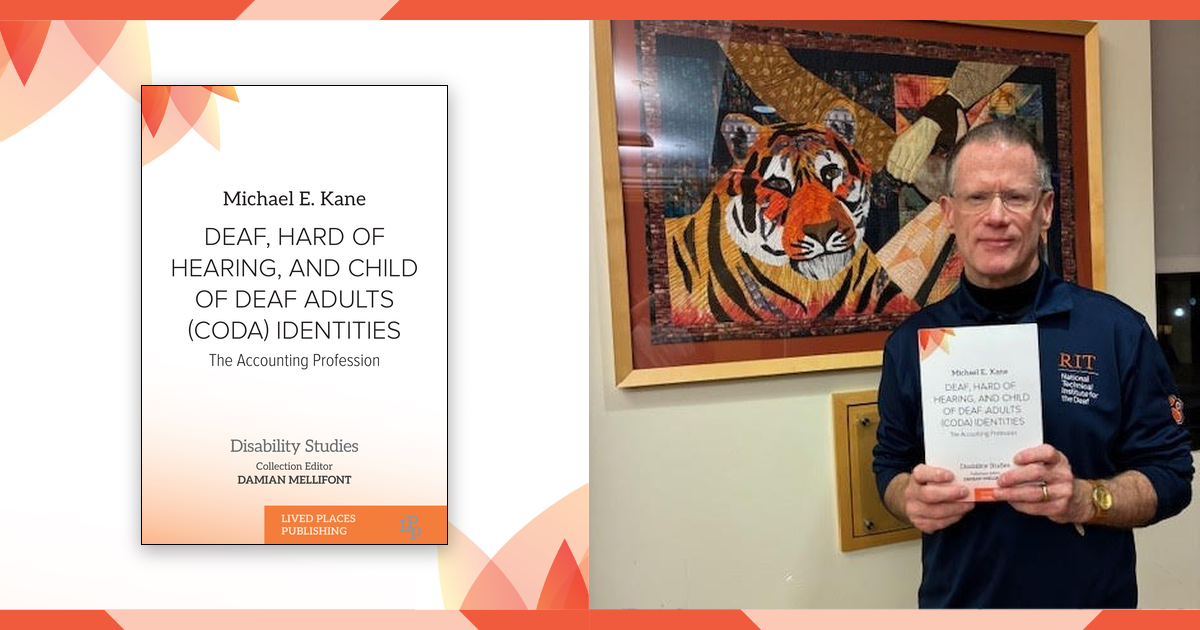
Author Michael Kane reflects on his deaf identity, his years at RIT/NTID, the Deaf President Now protest, and the 18 interviews behind his new book celebrating deaf, hard of hearing, and CODA accounting professionals.
Son of Khoi reflects on his experience being incarcerated through a story of planting a green pepper tree in a pot, nurtured from seeds: “I am the plant in the pot.” This is Part 4 of a series called, “Bearing Witness: Firsthand Accounts of Incarceration.”
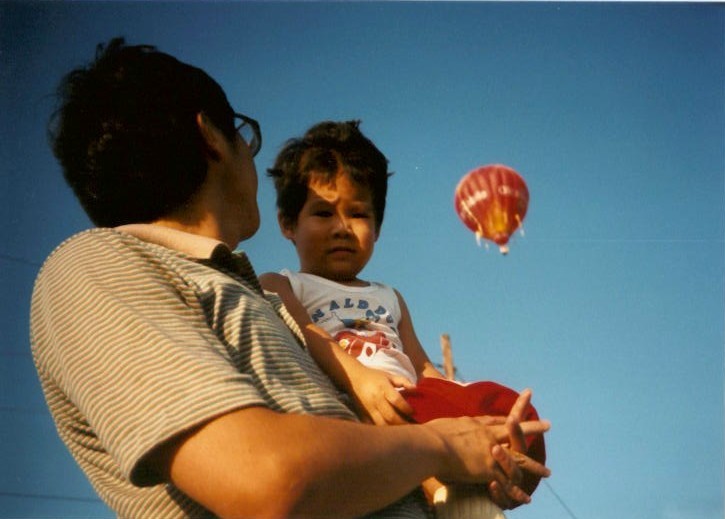
“Mommy, what is tenure?” is one of my first memories growing up because my father was often anxious and absent since he was on the track to a full professorship in the 1980s.
Opportunities for incarcerated persons to achieve education have increased, but often bettering ourselves makes us the enemy of correctional officers. The strange thing is that the resentment does not come from high-ranking officials, but from low-ranking ones instead. Here’s a first-hand account of life inside the walls of a correctional centre.
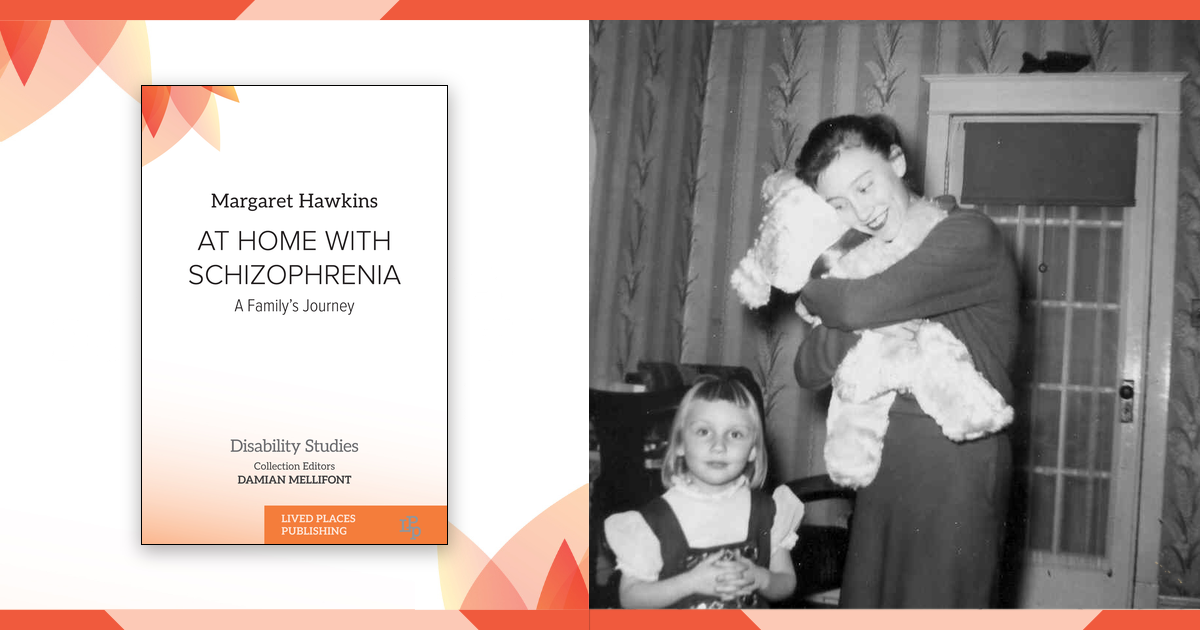
People with severe mental illness are among the most marginalized people in America, many of them in prison or otherwise institutionalized and forgotten, others living on the street. All of them deserve care and respect.
The Australian Disability Royal Commission was conducted in early 2019 in response to damning reports about the continuing violence, abuse, neglect, and exploitation experienced by Australians with disability. There are five criteria that can potentially improve the likelihood of lived experience-led research informing public hearings and government inquiries.
Much of the existing research on disability and mental health is filtered through clinical, managerial, or policy-driven frameworks. These approaches prioritize outcomes, compliance, and recovery, often at the expense of understanding how harm is produced through everyday institutional practices.
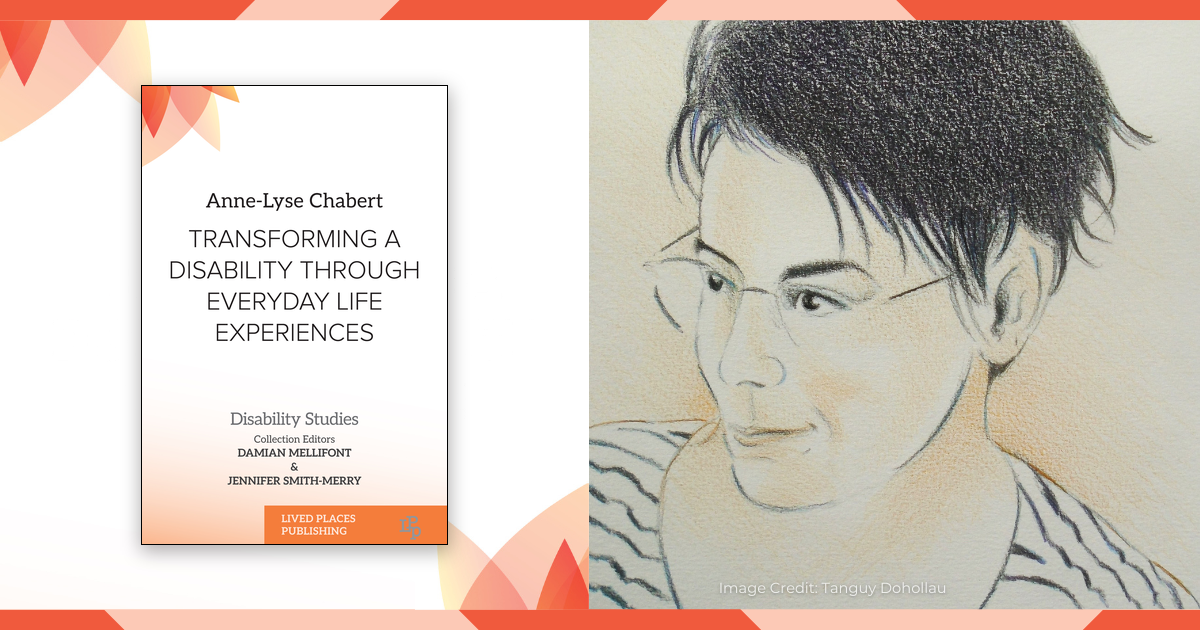
Drawing on individual and everyday experience, even in the humanities and social sciences, remains an innovative approach – perhaps even more so in a field as specific as disability studies. Anne-Lyse Chabert makes a case for why we must give precedence above all else to the day-to-day experience of disabled individuals who reconstruct their relationship with the world in a different way.