I have never been a refugee.
I left my parents’ home in a town in northern Greece at eighteen to study in a nearby city. Five years later, I moved abroad for an internship that turned into a full-time job and that was my first relocation, to Barcelona. Two years after that, I left Spain to come to the UK for a master’s degree. I am still here, in London, nearly a decade later.
None of these moves were forced or irreversible. I was driven by curiosity and ambition. Yet despite the freedom of these choices, I am acutely aware that moving countries does not mean the same thing to everyone.
I can always go back. My great-grandparents, on the other hand, could not.
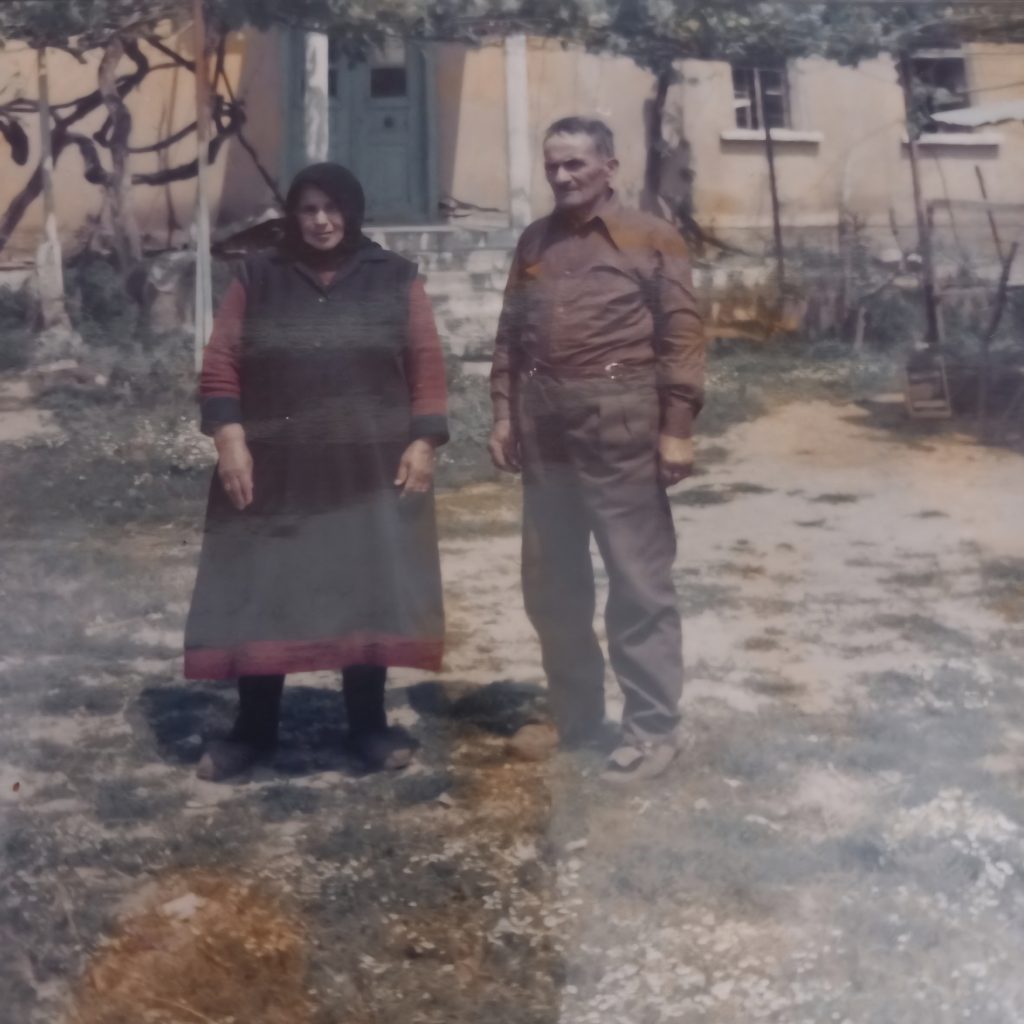
My maternal great-grandparents were among the hundreds of thousands of Anatolian Greeks forced to flee their homes in the first quarter of the twentieth century, following the collapse of the Ottoman Empire and the forced population exchange agreement signed between Greece and Turkey in 1923. They left with uncertainty, grief, and whatever they could carry; that was often clothing, textiles, and small personal objects that held both practical and emotional value.
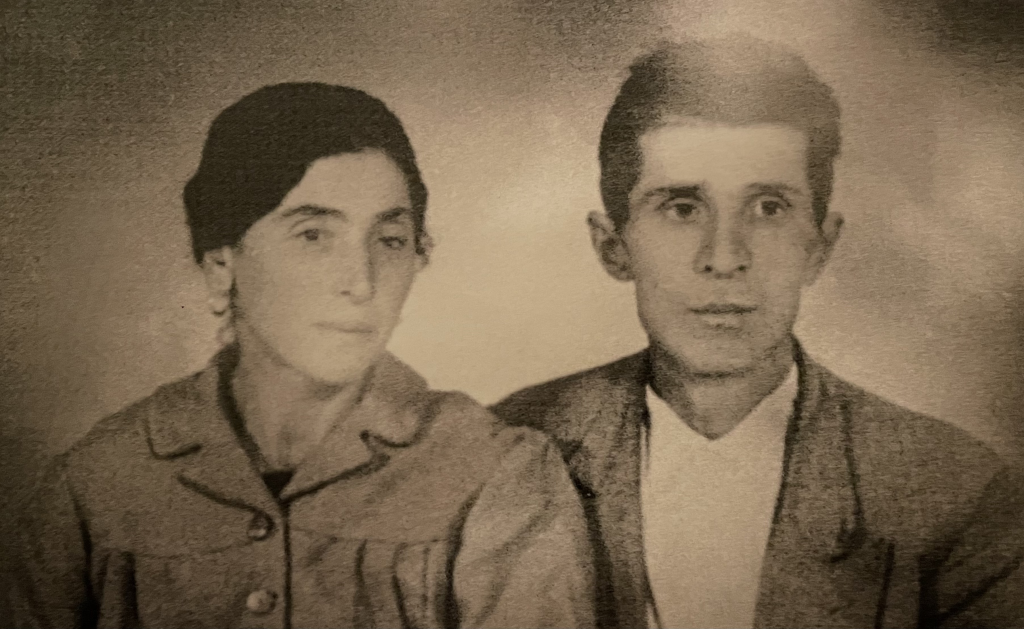
Growing up, I heard my maternal grandparents speak a language that sounded like Greek, but not quite. It was Pontic Greek, the dialect of Anatolian Greeks from the Black Sea region and for me as a kid, it was simply part of the background of family life. Only later I began to understand that language, like certain objects and customs, was a trace of displacement, a fragment of a homeland that no longer existed in the form they had known.
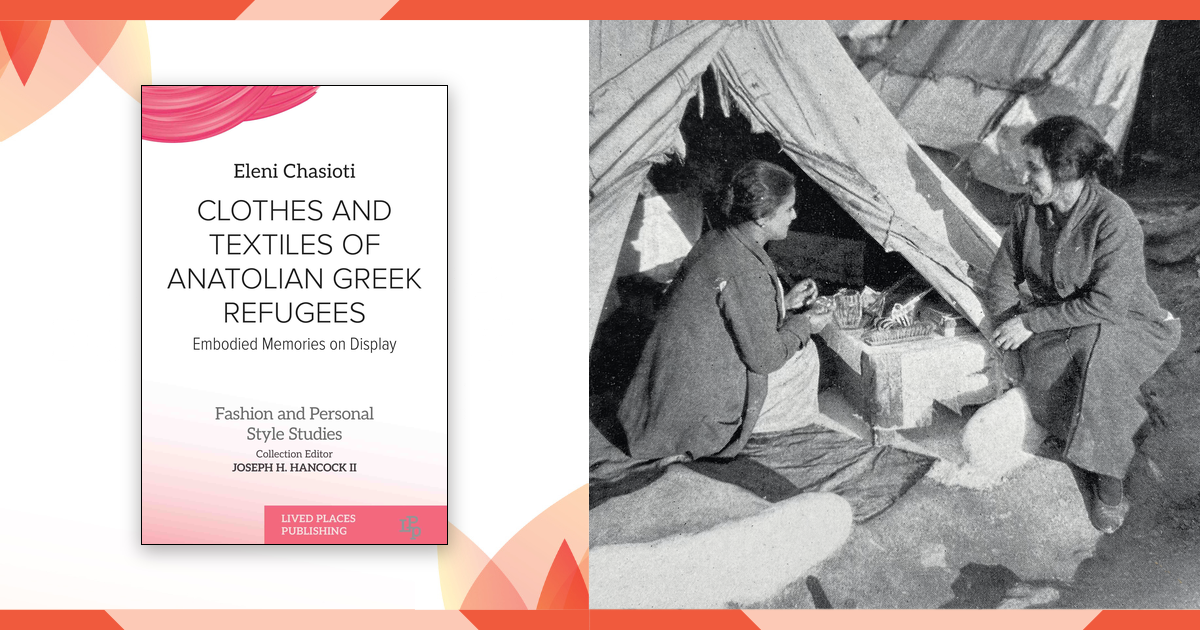
This is where my research and eventually my book, Clothes and Textiles of Anatolian Greek Refugees: Embodied Memories on Display, began.
Although I never experienced forced migration myself, I grew up shaped by its aftermath. I became interested in how displacement lives on not only through official histories but through everyday things: garments, fabrics, dowries, embroidered cloths, photographs. Objects that move with people and objects that survive when places don’t.
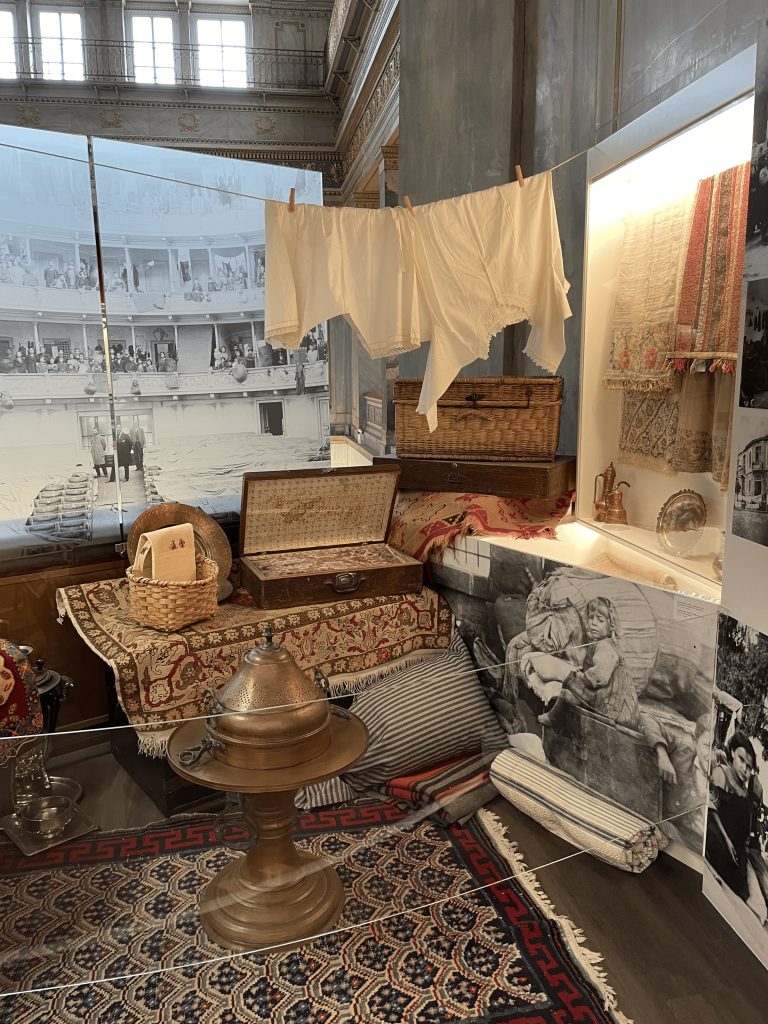
In refugee communities, clothing and textiles often become vessels of memory. A wedding dress preserved long after the wedding that never took place or a handwoven cloth one carried across borders and kept for decades. These items do not simply serve practical needs, they carry stories, identities, and emotional weight. They become witnesses to rupture and human resilience.
My book explores how such objects are now being collected, interpreted, and displayed in museums and cultural institutions, particularly in Greece. It looks at how curators, archivists, and community practitioners use material culture to address intergenerational trauma, foster dialogue, and create spaces where difficult histories can be approached with care rather than silence.
But at its heart, the book is also about something more personal: how displacement continues to shape the lives of people who never fled.
Why we should all care about displacement
I can leave London and return to Greece whenever I choose. But the effects of my great-grandparents’ displacement – one that was final, irreversible, and violent – ripple across generations, shaping how belonging, home, and movement are understood in my family and, without a doubt, in countless others.
At the time of writing, in July 2026, more than 110 million people worldwide are forcibly displaced as a result of war, persecution, violence, climate-related crises, and political instability. While the historical circumstances differ, the experience of sudden loss, forced movement, and uncertain futures continues to define the lives of millions. From Ukraine and Gaza to Sudan, Syria, Myanmar, Afghanistan and Yemen, displacement is not a distant or finished story; it is still one of the defining realities of our present moment.
In today’s world, displacement rarely ends at arrival. For many people, it extends into long periods of uncertainty, living in temporary accommodation, navigating asylum systems, facing barriers to work, education, and healthcare. Even when safety is achieved, the emotional and cultural consequences of forced migration endure.
My research explores how histories of trauma endure beyond the moment of flight, shaping identities, memories, and cultural practices long after borders have been crossed. It asks what happens after survival and how communities rebuild meaning when return is impossible.
We often think of displacement as something that happens to someone else, somewhere else, in the past or in the headlines. But displacement does not end when people arrive. It continues in language, in objects, in what is remembered and what is forgotten. It continues in the lives of those who inherit its aftermath without having lived it in the first place.
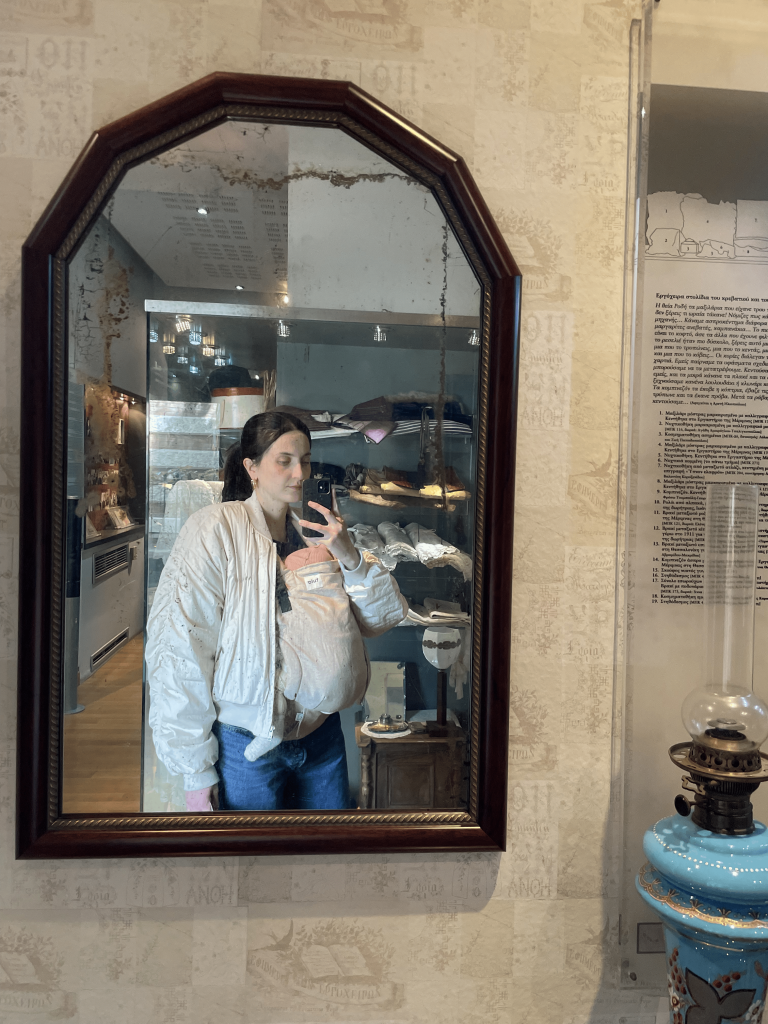
My book is an invitation to think about forced migration not only as movement across borders, but as something that settles into bodies, homes, and everyday things. It asks what objects can teach us about survival, belonging, resilience and continuity and, ultimately, how museums, archives, and cultural spaces might help us hold these stories with care.
Last but not least, I hope it makes it evident for all of us to recognise that while not everyone is forced to flee, many of us live with the legacies of those who were and that these legacies deserve attention, empathy, and public space to be told.
More about Eleni Chasioti’s book published by LPP:
What can clothing and textile artefacts tell us about the identities, experiences, and resilience of displaced Anatolian Greek communities, and how can we maintain intercultural memory?

We want our books to be available to as many people as possible. If you’d like to purchase an individual copy, please email us and we’ll give you a discount code: