Stephanie Levin Interviewed on the “Demand and Disrupt” Podcast
Lived Places Publishing author Stephanie Levin was interviewed about her book, Picking Up the Pieces on the “Demand and Disrupt” Podcast.

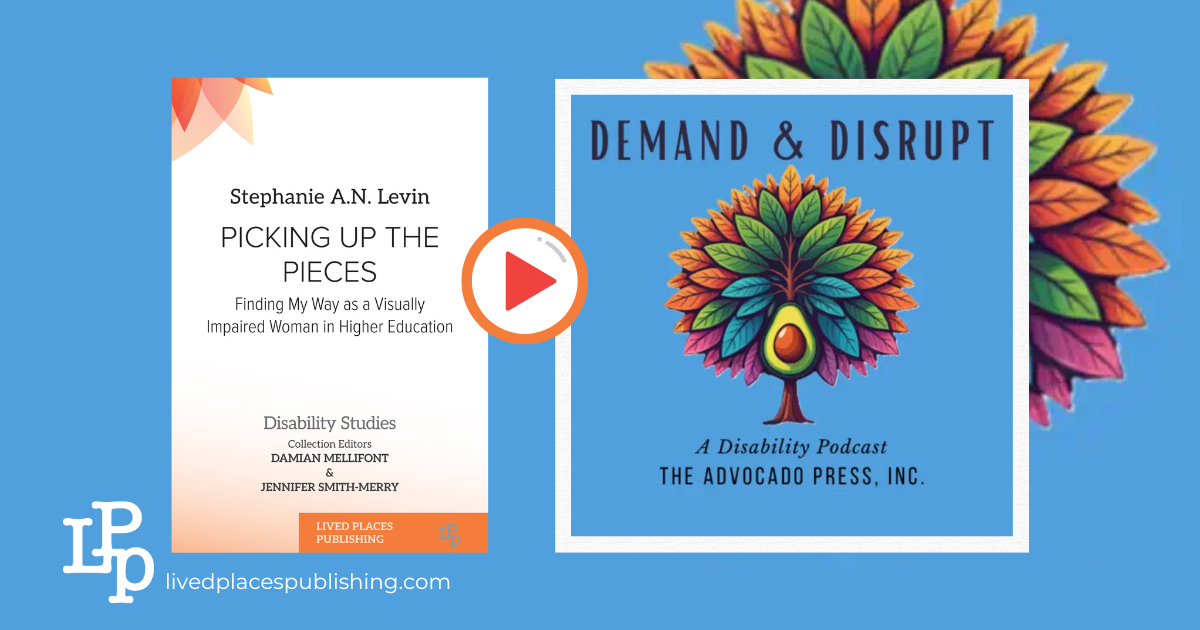
Lived Places Publishing author Stephanie Levin was interviewed about her book, Picking Up the Pieces on the “Demand and Disrupt” Podcast.
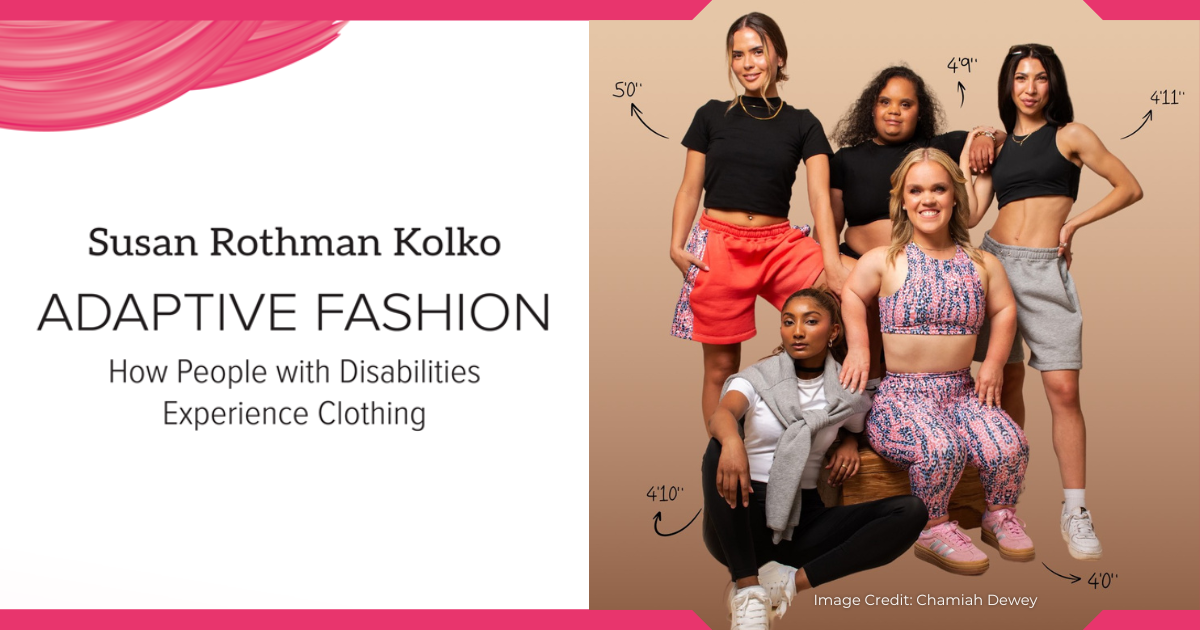
Although adaptivewear is a formally recognized category of clothing, it is not given much attention in fashion education programs. Adaptive clothing is often presented as a separate category and is not integrated into mainstream fashion assignments and educational collections. This can lead to a sense of separation that limits the visibility of adaptive clothing as a design and production opportunity for students.
In this conversation between Stephanie Levin and Dr. Janise Hurtig, they discuss ableism as a systemic issue that continues to plague American postsecondary education – and how educators can help break the cycle of ableism and further promote inclusiveness within their institutions.
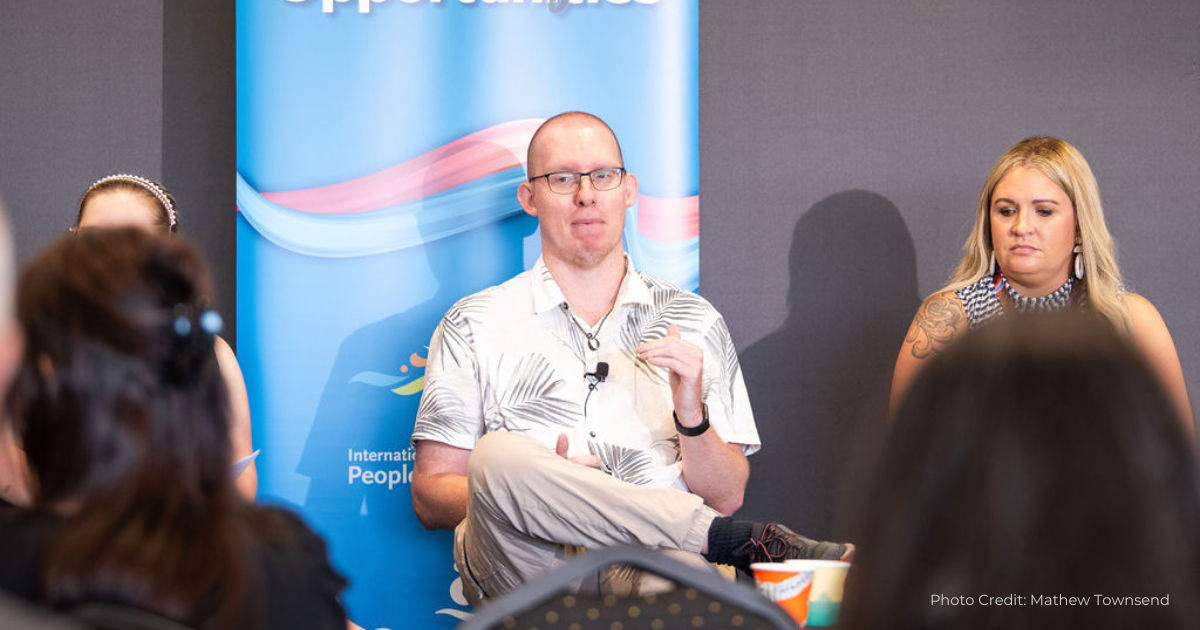
Neurodiversity is the key to building resilient, innovative, and forward-thinking businesses. By embracing the unique talents, skills, and passions of neurodivergent individuals, organisations can unlock renewed perspectives, drive creativity, and boost problem-solving capabilities. In an ever-evolving business scene, fostering an inclusive atmosphere where diverse minds thrive is not just a moral authoritative – it’s a strategic advantage for long-term growth and success.
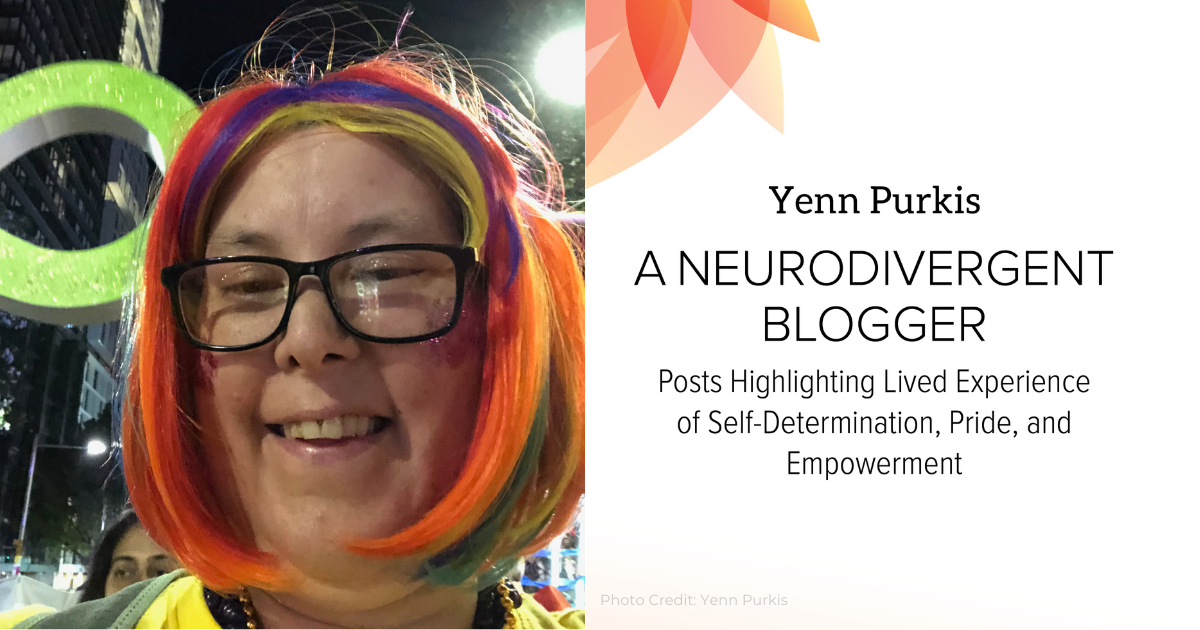
Autistic people are often transgender or otherwise gender divergent, which can make them even more subject to microaggressions. Author Yenn Purkis talks about how the lack of understanding and respect can translate into a range of harms, both small and large.
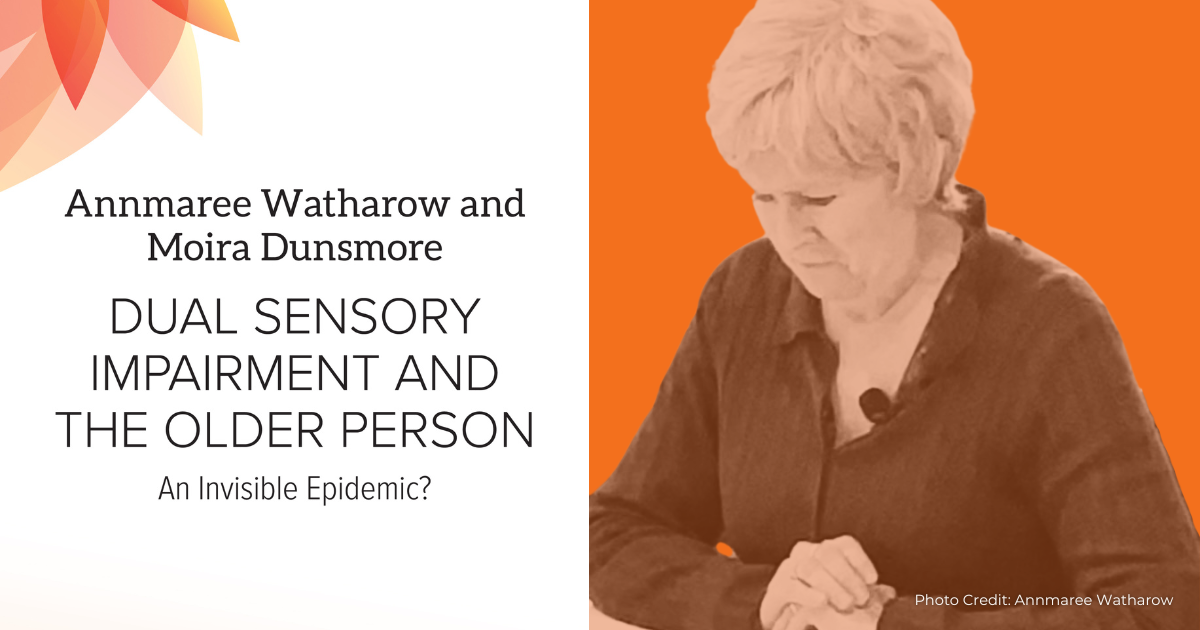
Older people who live with combined hearing and vision loss (also called dual sensory impairment) are not being recognised, diagnosed and supported due to low levels of awareness among community and staff. A donate-a-book program to a care home is one innovative way to get information into care facilities.

Invisible disabilities have long been viewed as being less severe than their visible counterparts, and this issue persists to this day. There is still the outdated notion that your disability must cause you physical pain or infirmity to be believed, accepted, and supported.

Gestalt language processors (GLP) perceive and process language in a non-linear, holistic manner. Dr. Jaime Hoerricks sheds light on the often-overlooked struggles of GLPs within the traditional education system, offering innovative and practical strategies for educators and parents as well.

XanEdu is offering 4 new customizable collections of Lived Places Publishing books: Black Women’s Experiences, Black Family Experiences, Disability Studies, and Education Studies.
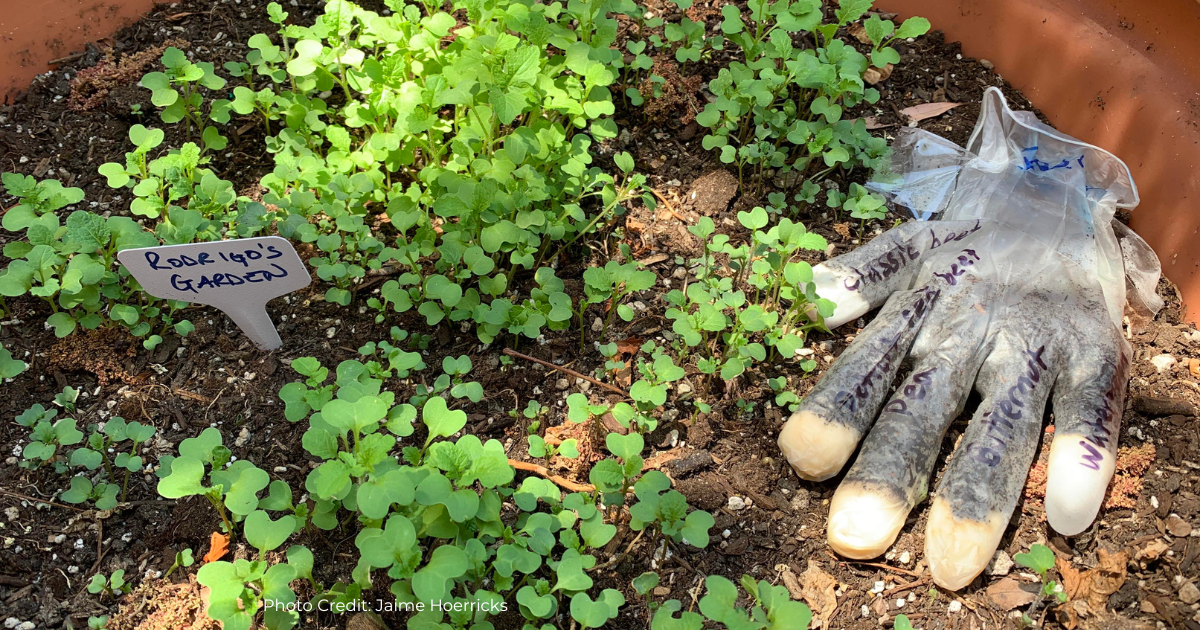
by Jaime Hoerricks // Parents and medical professionals often look upon autistic behaviour as problematic, and sometimes harmful. They see “treatment” as a way to change the behaviour, measured externally by someone other than the autistic person. Jaime Hoerricks offers a different perspective, from personal and professional lived experience.